
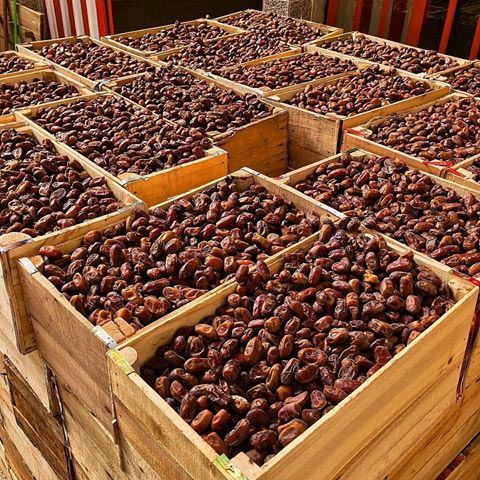
Dates hold a prestigious position in global markets due to their cultural significance, nutritional value, and wide culinary applications. As demand grows across the world, the need for standardized grading and categorization has become essential, especially for buyers relying on consistent quality.
Whether purchased for personal use, commercial distribution, or large-scale retail, premium date varieties such as Ajwa, Medjool, Safawi, and Mabroom are evaluated with precise standards that determine their grade, value, and suitability for different markets.
The rise of dates and wholesaler networks has heightened the importance of understanding these grading principles. For businesses, accurate categorization ensures customer satisfaction and strengthens brand credibility. For consumers, it provides clarity on what distinguishes ordinary dates from truly exceptional ones.
What Makes a Date “Premium”?
Not all dates are created equal. Just like coffee beans, chocolate, or olives, dates vary widely in terms of texture, sweetness, moisture, size, and harvesting technique. Premium dates typically stand out due to a combination of natural features and post-harvest handling quality.
Premium-grade dates generally exhibit a uniform appearance with minimal blemishes. They possess an optimal moisture level and a rich, balanced flavor profile. Their skins are intact, smooth, and free from excessive crystallization or dryness.
Consistency is crucial. High-grade dates should look and taste the same throughout a batch. This uniformity reflects proper sorting, the right environmental conditions, and careful handling throughout harvesting, cleaning, packaging, and shipping. The better the consistency, the higher the market value and demand.
The Importance of Grading in the Dates Industry
Grading is the backbone of the date trade. It provides a system that ensures reliability for buyers and transparency for consumers. Without grading, wholesalers and retailers would struggle to meet customer expectations, especially when dealing with varieties known for premium quality.
Grading helps categorize dates based on criteria such as size, color, texture, moisture content, and defects. These standardized categories allow wholesalers to assign appropriate pricing and ensure the right product reaches the right market.
For importers and exporters, grading helps streamline logistics by reducing disputes over quality claims. Buyers know exactly what to expect when they order a particular grade, and sellers can ensure consistent supply.
Within the evolving global market, grading has become even more important as traditional buyers and new consumers alike demand higher transparency and sharper differentiation between varieties.
Key Characteristics Used in Grading Dates
Multiple factors determine how dates are categorized. While different countries and suppliers may follow slightly different systems, the core grading criteria remain largely consistent across the industry.
Size is a primary factor. Larger dates are often considered more desirable, particularly with varieties such as Medjool and Mabroom. Moisture level is another defining characteristic, as it influences texture, shelf life, and taste.
Skin integrity matters greatly. Dates with broken or wrinkled skin are typically categorized in lower grades. Uniformity is just as important: the more consistent the batch, the higher the grade.
Color also plays a role, as many premium varieties are expected to display specific tones. Ajwa, for instance, must be deep black, while Safawi often appears dark brown to almost black.

Ajwa: The King of Premium Dates
Ajwa is among the most revered date varieties worldwide, known for its deep cultural significance and velvety taste. Grown primarily in Madinah, Saudi Arabia, Ajwa dates are distinguished by their black color, soft texture, and mild sweetness.
When grading Ajwa, color uniformity is essential. Premium Ajwa should display a deep, even black tone without lighter patches. Its texture should be soft yet slightly fibrous, allowing for a pleasant mouthfeel without being mushy.
Size plays a crucial role in Ajwa grading as well. Larger, plump fruits typically command higher prices. Their skin should remain intact, with minimal wrinkling. Any sign of dryness or crystallization can lower the grade significantly.
Wholesalers and retailers value Ajwa not only for its superior taste but also for the consistent demand driven by religious and cultural importance. High-grade Ajwa remains one of the most sought-after varieties in global markets.
Medjool: The “Diamond” of Dates
Often called the “king of dates,” Medjool is valued for its large size, luxurious sweetness, and caramel-like flavor. Unlike many other varieties, Medjool dates are harvested semi-soft, which gives them a plump and juicy texture.
Grading Medjool dates revolves heavily around size. Jumbo and Super Jumbo categories represent the highest grades, followed by Large and Medium. Premium Medjool dates must have smooth, glossy skin with minimal cracking.
Moisture content is important. Medjool dates should retain a soft, creamy interior without being overly sticky. The sweetness should be rich but not overpowering.
Medjool dates are globally recognized as a luxury food item, and the highest-grade batches fetch premium prices, especially during festive seasons. Their versatility in cooking, snacking, and natural sweetening makes them a top choice for wholesalers worldwide.
Safawi: The Balanced and Flavorful Variety
Safawi dates, also originating from Saudi Arabia, are known for their dark color and semi-dry texture. They strike a perfect balance between sweetness and chewiness, making them a favorite for both consumers and retailers.
Grading Safawi dates requires close attention to color depth. Premium Safawi should be deep brown to near-black, with a glossy sheen that indicates freshness.
Texture also matters. While Safawi dates are typically firmer than Ajwa or Medjool, the best ones maintain a pleasant softness when bitten into. Their flavor should be rich and slightly tangy, with no sour or fermented notes.
Since Safawi dates tend to be more affordable than Ajwa or Medjool, they are highly popular in bulk markets. However, higher-grade batches still stand out significantly, allowing wholesalers to offer tiered pricing options.
Mabroom: The Elegant and Distinctive Date
Mabroom dates are admired for their elongated shape, subtle sweetness, and chewy texture. Their appearance is unique, with lighter brown tones and a glossy yet firm exterior.
Premium Mabroom dates must have minimal wrinkling and an intact skin surface. Their distinct caramel-like flavor intensifies with proper curing, making texture evaluation essential during grading.
Because Mabroom dates are less moist than Medjool or Ajwa, grading requires examining their internal structure. High-grade Mabroom are firm yet not overly dry, with an elegant and refined taste profile that appeals to consumers seeking sophisticated flavors.
Their distinctive look makes them visually appealing for luxury packaging, gift boxes, and premium retail displays.
The Role of Wholesalers in Ensuring Quality

Wholesalers play a pivotal role in the supply chain, handling bulk imports, grading, storage, and redistribution. Their expertise ensures that premium dates remain in optimal condition from farm to consumer.
A reliable dates and wholesaler business must understand the nuances of each variety to maintain quality consistency. This includes maintaining temperature control during storage, ensuring proper ventilation, and preventing moisture accumulation that can lead to spoilage.
Wholesalers also sort dates meticulously to separate premium varieties from lower-grade batches. This process involves both manual inspection and machine-assisted sorting technologies that detect imperfections.
The reputation of wholesalers depends on their ability to deliver consistent quality, which is why grading standards are so vital. Businesses that align with international quality benchmarks gain long-term trust from retailers, restaurants, and global buyers.
How Modern Technology is Enhancing Date Grading
The dates industry has benefited significantly from technological advancements that improve accuracy and efficiency. Modern sorting machines use optical sensors and high-resolution imaging to analyze color, size, and surface defects with precision.
These automated systems minimize human error and streamline the grading process, especially for large-scale operations. Artificial intelligence software can now detect subtle imperfections invisible to the naked eye.
Temperature-controlled storage facilities further enhance quality preservation. By regulating humidity and airflow, premium dates maintain freshness for longer periods.
Such advancements support wholesalers as they meet rising global demand and ensure consistency across international shipments.
Packaging and Storage in Maintaining Quality Grades
Premium dates require premium handling. Packaging plays an essential role in maintaining freshness, appearance, and texture. Many high-quality varieties are packaged in vacuum-sealed containers or airtight boxes to prevent moisture loss or contamination.
Storage conditions must reflect each variety’s moisture needs. Medjool dates, for instance, require cooler temperatures to prevent stickiness and preserve flavor. Drier varieties like Mabroom can be stored at room temperature but still benefit from controlled environments.
Proper packaging also enhances product presentation, a key factor for luxury retail and export markets. Attractive packaging elevates the perceived value of premium varieties and helps differentiate grades for customers.
Market Trends Influencing Date Grading and Demand
As global awareness of the nutritional value of dates grows, so does demand for premium varieties. Health-conscious consumers increasingly seek natural sweeteners and nutrient-rich snacks, placing Ajwa and Medjool in especially high demand.
Seasonal spikes occur during Ramadan and festive holidays, where gifting traditions boost demand for high-grade varieties. Retailers and wholesalers prepare for these periods by securing premium batches well in advance.
Food innovation has also expanded the use of dates in energy bars, smoothies, baked goods, and gourmet food products. This diversification encourages growers and wholesalers to refine grading standards even further.
Local and International Distribution Channels
The distribution of premium dates spans local specialty stores, online platforms, supermarkets, and global export networks. Many consumers increasingly prefer purchasing from trusted sources such as kedai kurma shah alam due to guaranteed authenticity and proper storage conditions.
Internationally, wholesalers collaborate with certified farms to ensure traceability and ethical sourcing. Certifications such as organic, pesticide-free, and fair-trade add further value to premium varieties.
The logistics behind global distribution require careful temperature control, efficient transport routes, and proper documentation to ensure quality is preserved throughout the journey.
The Economic Importance of Proper Grading
Accurate grading has direct financial implications for growers, wholesalers, and retailers. Premium grades fetch significantly higher prices, while lower-grade dates are often used for processing or industrial purposes.
Grading therefore maximizes revenue and ensures each part of the harvest is utilized effectively. It also reduces disputes between sellers and buyers, making transactions smoother and more reliable.
In competitive markets, wholesalers that maintain strict grading standards build stronger relationships with both local retailers and international buyers. Their ability to consistently provide high-quality dates becomes a defining business advantage.
Conclusion
The art and science of grading premium dates such as Ajwa, Medjool, Safawi, and Mabroom ensures that consumers receive products of exceptional quality while wholesalers maintain reliable standards in a competitive global market. Through a detailed evaluation of size, color, texture, moisture, and uniformity, the industry distinguishes premium varieties from ordinary batches.
Advancements in technology, improved storage methods, and sophisticated distribution networks elevate the role of grading even further. For businesses and consumers alike, understanding these grading principles enhances trust and appreciation of the unique characteristics that make each date variety special.
As the global demand for premium dates continues to rise, the importance of transparent categorization and reliable wholesaler practices becomes increasingly essential. The future of the dates industry will undoubtedly continue to be shaped by consistent quality standards and a deeper understanding of what makes these fruits truly exceptional.