
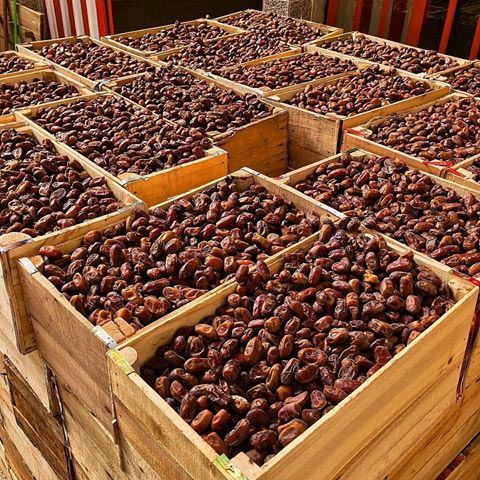
Borong kurma has long been associated with sweetness, hospitality, and cultural tradition, especially in regions where dates are a staple food. For many people, dates immediately evoke images of desserts, festive platters, or Ramadan iftar tables. However, this perception represents only a fraction of what dates can offer in the culinary world. Beyond their well-known role in sweet dishes, dates possess a complexity that makes them remarkably suited for savory cooking.
Across global kitchens, chefs and home cooks are increasingly experimenting with dates in unexpected ways. Whether incorporated into slow-cooked meats, grain-based dishes, sauces, or vegetable preparations, dates bring subtle caramel undertones, natural richness, and textural contrast. The luxurious kurma medjool and the balanced, chewy kurma mariami aa are especially valued for these purposes. Their ability to enhance savory dishes demonstrates that dates are not confined to one flavor category but instead serve as a bridge between sweet and savory traditions.
The Unexpected Role of Dates in Savory Cooking

Dates are often labeled as natural sweeteners, yet this description barely captures their culinary potential. In savory cooking, dates act less like sugar and more like a flavor harmonizer. Borong kurma emphasizes this lesser-known role, highlighting how dates can soften harsh flavors, enhance umami, and add depth without overwhelming a dish.
When used thoughtfully, dates balance acidity, bitterness, and spice. Their natural sugars mellow sharp ingredients such as vinegar, citrus, tomatoes, or chili, creating a smoother and more cohesive taste profile. Kurma medjool, with its rich, caramel-like flavor and soft texture, works particularly well in sauces and slow-cooked dishes. Kurma mariami aa, slightly firmer and less sweet, offers subtlety, making it ideal for recipes where balance is essential. Together, these varieties show how dates can quietly transform savory meals.
Culinary Traditions That Celebrate Dates
The use of dates in savory dishes is not a modern invention. Across the Middle East, North Africa, and parts of Asia, dates have been integrated into main courses for centuries. Borong kurma highlights these culinary traditions as evidence of how deeply dates are woven into everyday cooking, not just ceremonial meals.
In Middle Eastern cuisine, dates are frequently paired with lamb, chicken, and rice. They appear in stews, stuffing mixtures, and pilafs, contributing depth and richness. In North African cooking, dates are essential ingredients in tagines and couscous, where they blend with warming spices like cumin, cinnamon, coriander, and saffron. These traditions illustrate how dates have long been valued not only for sweetness but also for their ability to enhance savory complexity.
Pairing Dates with Proteins

Proteins provide a natural canvas for dates, allowing their sweetness and texture to complement savory richness. The interaction between meat and dates creates dishes that feel complete, layered, and satisfying. Borong kurma often highlights this pairing as a cornerstone of savory date-based cooking.
Dates help tenderize meats, retain moisture during cooking, and contribute subtle sweetness that enhances rather than dominates. Whether slow-cooked or roasted, protein dishes benefit from the balance dates bring.
Lamb and Dates
Lamb is one of the most traditional and successful pairings for dates. Its rich, slightly gamey flavor is beautifully offset by the sweetness of kurma medjool. When cooked together, dates break down into the sauce, thickening it naturally while adding complexity.
Borong kurma frequently showcases lamb stews where dates are simmered with onions, garlic, and aromatic spices. The result is a dish that feels luxurious yet comforting. In some regional recipes, dates are stuffed into lamb or added toward the end of cooking to preserve their texture, offering bursts of flavor in every bite.
Chicken and Dates
Chicken, being milder than lamb, benefits from the gentler sweetness of kurma mariami aa. Dates can be incorporated into marinades, roasting pans, or braises, where they enhance moisture and depth.
In Mediterranean and Middle Eastern kitchens, chicken is often cooked with dates, olives, herbs, and citrus. The dates balance salt and acidity, resulting in a dish that feels harmonious and well-rounded. This pairing demonstrates how dates adapt to lighter proteins while still making a meaningful contribution.
Dates in Grain-Based Dishes
Grain-based dishes offer an ideal platform for showcasing the versatility of dates. Rice, couscous, and other grains absorb flavor easily, allowing dates to integrate seamlessly into the dish. Borong kurma highlights these applications as examples of how simple staples can be elevated.
Dates add contrast in both flavor and texture, turning everyday grains into dishes suitable for celebrations and gatherings.

Rice Pilafs
Rice pilafs are among the most popular grain dishes to feature dates. Kurma medjool, chopped or left whole, adds richness and natural sweetness. When combined with nuts such as almonds or pistachios and herbs like parsley or dill, the result is a balanced and aromatic dish.
Borong kurma often emphasizes rice pilafs as centerpiece dishes during festive meals. The dates not only enhance flavor but also add visual appeal, making the dish feel special and intentional.
Couscous and Tagines
Couscous and tagines frequently incorporate kurma mariami aa due to its firmer texture and moderate sweetness. As the dish cooks, the dates soften and release their flavor into the grains and vegetables.
In tagines, dates interact with spices, legumes, and meats, creating layers of taste that develop slowly over time. These dishes reflect centuries of culinary refinement and demonstrate how dates contribute to depth rather than sweetness alone.
Dates in Sauces and Dressings
One of the most subtle yet impactful uses of dates is in sauces and dressings. Rather than standing out as a distinct ingredient, dates quietly improve texture, balance, and mouthfeel. Borong kurma highlights this technique as a hallmark of refined savory cooking.
Dates can be blended, chopped, or simmered into sauces, acting as natural thickeners and flavor enhancers.
Balancing Acidity
Acidic ingredients are essential in cooking, but when unbalanced, they can overpower a dish. Dates help counteract this issue. Kurma medjool, with its caramel notes, softens the sharpness of vinegar, lemon juice, or tomatoes.
This technique is commonly used in salad dressings, glazes, and marinades. By replacing refined sugar with dates, cooks achieve balance while maintaining a more natural and complex flavor profile.
Enhancing Spice

Spicy dishes benefit greatly from the presence of dates. Kurma mariami aa, in particular, adds body and depth to chili pastes, curry bases, and spice-forward sauces.
The sweetness of dates does not reduce heat but rather rounds it out, allowing spices to shine without becoming harsh. This approach is widely used in North African and South Asian cuisines.
Stuffed Dates in Savory Contexts
Stuffed dates are often associated with sweet fillings, but savory versions are equally compelling. Borong kurma highlights savory stuffed dates as versatile appetizers that showcase creativity and balance.
These preparations demonstrate how dates can serve as vessels for complex flavors.
Cheese and Herb Fillings
Kurma medjool pairs exceptionally well with cheeses such as goat cheese, feta, or soft cream cheese. When combined with herbs, spices, or nuts, the result is a savory bite that feels indulgent without being heavy.
These stuffed dates are popular in gourmet settings, often served as starters or part of mezze platters.
Meat and Grain Fillings

Kurma mariami aa is well suited for fillings made from minced meat, rice, or bulgur. These stuffed dates are common in Middle Eastern cuisine and are often baked or gently simmered.
They serve as elegant side dishes or appetizers, reflecting the culinary tradition of combining sweetness with savory depth.
Dates in Vegetable-Based Dishes
Vegetable-focused dishes benefit from the contrast that dates provide. Their sweetness enhances natural vegetable flavors while adding texture and complexity. Borong kurma highlights these applications as examples of balanced, plant-forward cooking.
Dates make vegetable dishes more satisfying and nutritionally dense.
Roasted Vegetables
Roasting vegetables alongside dates creates caramelization that enhances both components. Kurma medjool works especially well with carrots, squash, sweet potatoes, and eggplant.
As everything roasts together, the dates soften and caramelize, enriching the dish and creating a cohesive flavor profile.
Salads with Dates
Kurma mariami aa adds chewiness and subtle sweetness to salads. Combined with leafy greens, nuts, seeds, and savory dressings, dates create contrast and interest.
These salads are refreshing yet filling, making them ideal for modern, health-conscious meals.
Regional Inspirations
Regional cuisines provide valuable insight into how dates have been used traditionally. Borong kurma draws inspiration from these regions, highlighting their wisdom and culinary balance.
Each culture demonstrates a unique way of integrating dates into savory cooking.
Middle Eastern Cuisine

Middle Eastern cuisine frequently features kurma medjool in savory dishes. Dates are paired with lamb, rice, and spices to create meals that are rich, aromatic, and deeply satisfying.
These dishes reflect hospitality, tradition, and a strong understanding of flavor harmony.
North African Cuisine
In North Africa, kurma mariami aa is commonly used in tagines and couscous. Dates blend seamlessly with vegetables, legumes, and spices such as cumin, ginger, and turmeric.
These meals showcase how dates contribute warmth and depth without overpowering other ingredients.
Conclusion
Borong kurma demonstrates that dates are far more than a sweet indulgence. They are powerful, versatile ingredients capable of transforming savory dishes across cuisines and cooking styles. From lamb stews and chicken roasts to rice pilafs, sauces, salads, and vegetable dishes, dates add balance, richness, and complexity.
Kurma medjool offers luxurious texture and caramel-like depth, while kurma mariami aa provides subtle sweetness and chewiness. Together, they represent the full spectrum of what dates can offer in savory cooking. By embracing dates beyond desserts, cooks rediscover an ingredient that unites tradition and innovation, proving that true culinary harmony lies in the balance between sweet and savory.