
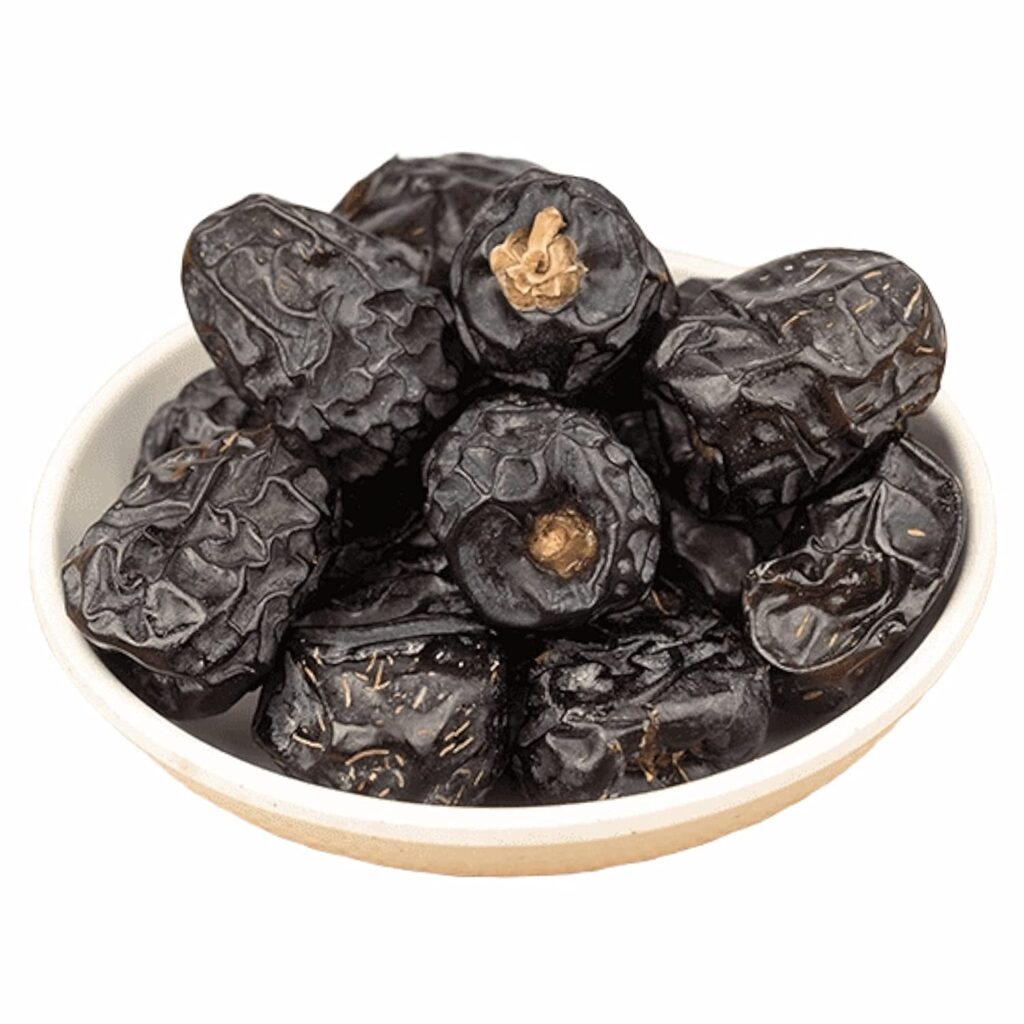
In the world of dates, few varieties hold as much reverence as Kurma Ajwa. Often referred to as the “King of Dates” in Islamic tradition, this prized fruit is cherished not only for its rich, soft texture and deep flavor but also for its deep-rooted spiritual and historical significance. But what makes Ajwa dates so special? Let’s explore the reasons behind their esteemed status.
Historical and Religious Significance
One of the primary reasons Kurma Ajwa is highly regarded is its connection to Islamic tradition. It is believed that the Prophet Muhammad (PBUH) planted the first Ajwa date palm himself in Medina, blessing it with unique virtues. Many hadiths (sayings of the Prophet) highlight its spiritual benefits, including protection against harm and healing properties. This sacred association elevates Ajwa dates beyond just a food item—they are seen as a blessed fruit with divine favor.
Unique Flavor and Texture
Unlike other date varieties, Ajwa dates have a distinct taste—sweet yet mildly earthy, with a soft, almost fudgy texture. Their deep brown to black color and wrinkled appearance make them easily recognizable. The balance of natural sweetness and slight bitterness sets them apart, making them a favorite for both eating fresh and incorporating into traditional dishes.
Nutritional and Health Benefits
Beyond their spiritual value, Ajwa dates are packed with nutrients. They are rich in fiber, aiding digestion, and contain essential minerals like potassium, magnesium, and iron. Some studies suggest they may support heart health, reduce inflammation, and provide a natural energy boost. In traditional medicine, they have been used to strengthen immunity and detoxify the body, reinforcing their reputation as a superfood.
Symbol of Generosity and Hospitality
In many Middle Eastern cultures, offering Ajwa dates to guests is a sign of honor and generosity. They are commonly served during Ramadan, Eid, and other religious occasions, symbolizing blessings and goodwill. Their exclusivity and premium quality make them a luxurious gift, often presented in beautifully crafted boxes.
Limited Cultivation and High Demand
Ajwa dates are primarily grown in the holy city of Medina, Saudi Arabia, where the climate and soil conditions contribute to their unique quality. Due to their religious significance and limited production, they are often more expensive than other varieties. This exclusivity adds to their prestige, making them a sought-after commodity in global markets.
Modern-Day Popularity
What began as a sacred fruit in ancient orchards has now blossomed into a globally sought-after superfood. Ajwa dates, once primarily consumed within their native region, have crossed cultural boundaries to grace kitchen pantries and gourmet restaurants worldwide. This remarkable expansion stems from their unique ability to bridge tradition and contemporary tastes.
Health enthusiasts have propelled Ajwa dates into the spotlight for their impressive nutritional composition. Unlike ordinary sweeteners, these dates offer natural energy along with fiber, potassium, and antioxidants – making them a favorite among fitness bloggers and nutritionists. Modern consumers increasingly seek them out as a wholesome alternative to processed sugars, blending them into protein shakes, energy bars, and raw desserts.
Meanwhile, culinary innovators have discovered Ajwa’s gastronomic potential. Their rich, caramel-like depth enhances both sweet and savory creations – from date-sweetened cheesecakes to Moroccan tagines. Michelin-starred kitchens now feature them as premium ingredients, while artisanal chocolatiers pair them with single-origin cocoa. This gourmet recognition has transformed Ajwa from a traditional staple into a luxury pantry essential.
Yet despite this global expansion, the dates maintain their spiritual significance. During Ramadan, shipments of Ajwa dates increase exponentially as families worldwide seek authentic varieties for their iftar tables. Muslim communities consider them more than just food – they represent blessings, tradition, and connection to heritage. This dual identity as both a sacred symbol and modern superfood explains why demand continues growing across diverse markets.
For suppliers, this presents a unique opportunity. The same product appeals to health stores marketing “ancient superfoods,” high-end restaurants crafting tasting menus, and ethnic grocery stores serving traditional communities. Understanding these multiple demand streams allows businesses to position Ajwa dates effectively across different market segments while honoring their cultural roots. The future looks bright for this versatile fruit that satisfies both spiritual and gourmet cravings in our interconnected world.
Would you market Ajwa dates as a traditional food, modern superfood, or both? The answer may lie in recognizing how beautifully they fulfill both roles.
Final Thoughts
Kurma Ajwa is more than just a fruit—it’s a symbol of faith, health, and cultural heritage. Whether consumed for their rich taste, health benefits, or spiritual blessings, these dates continue to hold a special place in the hearts of millions. For suppliers, understanding their significance can help in marketing them effectively to the right audience.